
HBPSurG 2026
Precision, Innovation, and Future-Proofing in HBP Surgery
Under the theme “Precision, Innovation, and Future-Proofing in Hepato-Biliary & Pancreatic Surgery”, the program features fresh, cutting-edge sessions designed to explore emerging frontiers while maintaining our signature interactive and interdisciplinary approach:
- Meet the Experts sessions offering in-depth, case-based explorations of the most complex and novel clinical scenarios. These interactive discussions will cover borderline resectable disease guided by ctDNA and personalized strategies, totally robotic pancreatoduodenectomy in challenging settings, advanced vascular reconstruction with sophisticated planning, and many other cutting-edge topics.
- State of the Art lectures delivering the latest updates on transformative topics such as AI and radiomics for future liver remnant prediction and surgical planning, liquid biopsy/ctDNA in recurrence monitoring, neoadjuvant immunotherapy combinations and rescue strategies, functional preservation techniques, long-term quality of life and survivorship in pancreatic cancer, and even sustainability in high-complexity HBP procedures.
- Distinguished invited lectures from international leaders in these innovative fields.
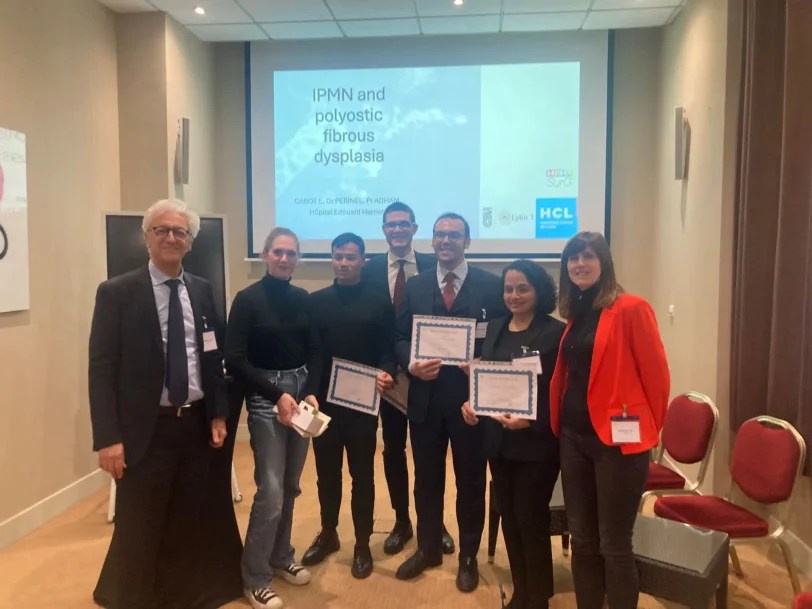
- Free paper sessions and the Rising Stars Award ceremony to spotlight groundbreaking work from emerging talents.
On behalf of the HBPSurG Organizing Committee

Strasbourg

Nancy

Strasbourg

München

Lisbon

Lyon

Beaujon

Milano

Milano

Heidelberg

Lyon

Lausanne

Lyon

Lyon

Lyon

Verona

Lyon
Registration is available onsite
1. General registration
Click the above Register here button, select your registration option, complete the form, and submit it.
2. Onsite attendance
– Standard registration: €250
– Standard registration + Congress Dinner: €330
– Resident or Fellow under 35: €150
– Resident or Fellow under 35 + Congress Dinner: €230
Proof of Resident or Fellow status will be required for validation.
3. Speakers with an accepted abstract (free paper sessions)
– Onsite registration is mandatory. If the speaker is not registered, the abstract will be rejected.
4. Resident or Fellow speakers presenting an oral communication
– May apply for the Rising Stars Awards at the time of abstract submission.
– Benefit from free registration. Do not submit the “Register here” form.
– Free registration will be confirmed once the abstract is accepted.
5. Cancellation policy
Registration fees may be refunded until 30 September 2026. A €20 administrative fee will apply.
Abstract Submission Deadline: 15 September
Resident & Fellow Speakers
- May apply for “Rising Star Award” on abstract submission.
- Benefit from free registration (see registration instructions).
Rising Stars Abstracts
Are We Draining the Right Patients? A Five-Year Audit of Percutaneous Cholecystostomy and Development of a Standardised Management Pathway
Basit AHMAD
Basit AHMAD
Authors & Institutions
Dr Basit Ahmad, Dr Srish Rentala, Dr Nandini Ajoy, Mr Dilip Rajashekhar, Mr Santhosh Karri, Consultant: Mr Muthiah.
– New Cross Hospital, Wolverhampton
Long-term outcomes after Frey or Izbicki procedures for painful calcific chronic pancreatitis: predictive factors for long-term success
Robin BECU
Robin BECU
Authors & Institutions
Robin BECU (1), Gaëtan PASINATO (1), Juliette YVART DEGARDIN (1), Franck BRAZIER (2), Jean-Marc REGIMBEAU (1,3)
1. Service de Chirurgie Digestive, CHU Amiens Picardie Et Université de Picardie Jules Verne, 1 Rue du Professeur Christian Cabrol, 80054, Amiens, France.
2. Service de Gastroentérologie, CHU Amiens Picardie Et Université de Picardie Jules Verne, 1 Rue du Professeur Christian Cabrol, Amiens, France.
3. Clinical Research Unit SSPC (Simplification of Surgical Patient Care) UR UPJV 7518, University of Picardie Jules Verne, 1 Rue du Professeur Cabrol, Amiens, France.
Aim
In painful chronic pancreatitis, the ESCAPE trial challenged the traditional endoscopy-first strategy in favour of earlier surgery. We assessed long-term outcomes after pancreatic surgery (Frey and Izbicki procedures) and explored preoperative factors associated with long-term pain control.
Method
Retrospective single-centre, single-surgeon cohort of all patients undergoing Frey or Izbicki surgery for calcific chronic pancreatitis in Amiens (2003–2026; n=46: 41 Frey, 5 Izbicki; 18 associated biliary procedures: 9 CJ, 7 CD, 1 HJ+CJ, 1 intracephalic choledochopancreatic anastomosis). Pre-, peri- and postoperative data came from medical records and standardised telephone interviews. Pain-control outcomes were Izbicki ≤10 (primary), no opioid use at last follow-up (secondary), Izbicki ≤25 (exploratory). Wilcoxon/Fisher tests; predictors assessed by Firth logistic regression; no imputation.
Results
Izbicki scores: 27/46 (17 deceased, 3 pancreatitis-related; 2 lost to follow-up); opioid data: 45/46 (1 post-op death). Median follow-up 40 months; success rates: 59.3% (Izbicki≤10), 64.4% opioid-free, 77.8% (Izbicki≤25). Higher weight was associated with Izbicki≤10 success (OR 1.64 per 5 kg, 95% CI 1.07–3.01; p=.019); longer diagnosis-to-surgery time with lower opioid-free success (OR .84/year, 95% CI .68–.97; p=.017). For opioid-free success, preoperative opioid use (OR .21; p=.060) and >5 endoscopies (OR .58; p=.424) showed non-significant adverse trends; ≥1 endoscopy showed no association.
Conclusion
Our findings are consistent with the literature; ESCAPE further supports earlier surgery. Longer diagnosis-to-surgery time, opioid exposure and repeated endoscopic procedures may each be associated with poorer pain control, in line with German guidelines.
Single-cell Transcriptomics Identifies F11R as a Stromal Mediator Linking Non-alcoholic Fatty Liver Disease and Intrahepatic Cholangiocarcinoma, with Icaritin as a Potential Intervention
Yang LIU
Yang LIU
Authors & Institutions
1.Zhejiang Key Laboratory of Multi-omics Precision Diagnosis and Treatment of Liver Diseases, Department of General Surgery, Sir Run-Run Shaw Hospital, Zhejiang University School of Medicine, 310016, Hangzhou, China
2.Zhejiang Minimal Invasive Diagnosis and Treatment Technology Research Center of Severe Hepatobiliary Disease, Zhejiang Research and Development Engineering Laboratory of Minimally Invasive Technology and Equipment 310016, Hangzhou, China
3.Zhejiang University Cancer Center, 310058, Hangzhou, China
4.Liangzhu Laboratory, Zhejiang University Medical Center, 311121, Hangzhou,China
5.School of medicine, Shaoxing University, Shaoxing, Zhejiang, 312000, China
6.School of Basic Medical Sciences and Forensic Medicine, Hangzhou Medical
Background
To identify stromal regulators linking non-alcoholic fatty liver disease (NAFLD) and intrahepatic cholangiocarcinoma (ICC), with a focus on fibroblast-associated mechanisms, and to evaluate whether F11R represents a druggable microenvironmental target and whether icaritin may act as a potential intervention.
Method
We integrated single-cell RNA-seq from ICC (GSE138709) and NAFLD (GSE202379) with spatial transcriptomics, fibroblast-specific differential expression, enrichment analysis, pseudotime analysis, in silico F11R knockout/overexpression, drug-gene association analysis, and molecular docking. Functional validation was performed in ICC-associated fibroblasts, cholangiocarcinoma cells, and ICC organoids using proliferation, invasion, autophagy, conditioned-medium, and direct co-culture assays.
Results
Fibroblast remodeling was evident in both NAFLD and ICC. Fibroblast gene signatures were enriched in extracellular matrix organization, adhesion signaling, and stromal pathways. F11R emerged as a key candidate, supported by pseudotime and spatial transcriptomic analyses. Icaritin suppressed ICC-CAF proliferation and invasion, reduced F11R expression, and induced autophagy-related changes. F11R knockdown produced similar effects and weakened CAF-mediated support of cholangiocarcinoma cells and ICC organoids, with reduced EPCAM expression in conditioned-medium and direct co-culture models.
Conclusion
NAFLD and ICC share a fibroblast-centered stromal program, with F11R acting as a context-dependent mediator. Targeting the F11R-associated stromal axis, potentially with icaritin, may represent a therapeutic strategy for ICC in the setting of NAFLD-related microenvironmental remodeling.
Expression of EGFR and Ki-67 in Gall bladder Carcinoma
Mukund MANGARAI
Mukund MANGARAI
Authors & Institutions
Dr Mukund Mangarai , Dept of Surgical gastroenterology, Bangalore medical college and research institute, Bengaluru. India.
Dr. Prof. Poras Chaudhary , Department of General Surgery
Dr. RML HOSPITAL, New delhi. India.
Background
Gall bladder carcinoma (GBC) is a multifactorial disease process with several factors influencing prognosis. GBC is associated with the expression of multiple cell proliferating markers such as Ki-67/EGFR. This study demonstrates the expression of EGFR and Ki-67 in GBC and their co-relation with the stage of disease.
Method
This was a single centre prospective study including 60patients of GBC. Expression of EGFR and Ki-67 was assessed by immunohistochemistry on formalin-fixed paraffin-embedded tumor tissue blocks. Group comparisons for continuously distributed data were made using independent sample t test. Chi square test was used for group comparison for categorical data. The level of significance α=0.05 and p-value <0.05 was considered statistically significant.
Results
There was a positive correlation between EGFR and presence of gall stones, gall bladder polyp, T stage, lymph node involvement, presence of metastasis and tumor differentiation. However, the association of these variables with Ki-67 was statistically insignificant.
Conclusion
EGFR and Ki-67 were observed in > 70% of GBC cases and targeted therapy for EGFR can give a ray of hope for gall bladder cancer patients as a curative intent and as palliative therapy in advanced stage of disease.
Management and outcomes of iatrogenic bile duct injuries after cholecystectomy: a 13-year experience from an HPB referral centre
Federico MARIN
Federico MARIN
Authors & Institutions
Federico Alberto Niccolò Marin 1,2*, Giulia Esposito 1,2 , Paolo Pizzini 1, Domenico Pinelli1,2
1 Department of Organ Failure and Transplantation, ASST Papa Giovanni XXIII Hospital – 24127, Bergamo, Italy
2 School of Medicine and Surgery, University of Milan – Milano Statale – 20122 Milan, Italy
Background
The management of iatrogenic bile duct injury (BDI) remains challenging, particularly after delayed diagnosis or in the presence of vascular or septic complications. This study describes our experience in the management of BDI, focusing on treatment strategies, postoperative morbidity and biliary outcomes during follow-up.
Method
We retrospectively analysed 21 consecutive patients with BDI treated between 2012–2025 at Papa Giovanni XXIII Hospital, Bergamo, a tertiary referral centre for hepatobiliopancreatic surgery and adult and paediatric abdominal transplantation. Demographics, cholecystectomy, diagnosis, referral, previous treatment, injury type, sepsis and vascular injury were recorded. Definitive treatment, Clavien-Dindo complications, 90-day mortality and follow-up outcomes were assessed.
Results
19 patients (90.5%) had BDI after laparoscopic cholecystectomy;17(81%) were diagnosed postoperatively and 16 (76.2%) referred from other hospitals, 6 (28.6%) underwent emergency cholecystectomy. Median referral time was 12 days (n=15);all 6 patients referred after >12 days developed complications. Sepsis and vascular injury occurred in 7 (33.3%) and 5 (23.8%); all septic patients developed complications. Definitive treatment was surgical in 19 (90.5%), mainly biliary-enteric reconstruction (15). Major complications occurred in 8 (38.1%);1 died within 90 days. Median follow-up was 12.4 months.
Conclusion
Delayed referral and sepsis were associated with substantial morbidity. These findings highlight the importance of early referral to specialised HPB centres, where complex BDI can be managed with definitive and tailored treatment.
CHOL-DRAIN: A French National Delphi Study to Standardize Post-Cholecystostomy Drain Management
Charlotte MAULAT
Charlotte MAULAT
Authors & Institutions
Charlotte Maulat, Rami Rhaiem, Bader Al Taweel, Sebastien Frey, Jean-Marc Regimbeau, Raffaele Brustia.
Background
Percutaneous cholecystostomy is widely used in high-risk patients with acute cholecystitis, yet post-cholecystostomy management remains poorly standardized. The CHOL-DRAIN study aimed to develop an expert consensus on post-drainage management using a structured modified Delphi process.
Method
A modified Delphi study followed a structured literature review. Experts involved in severe acute cholecystitis and/or percutaneous cholecystostomy were recruited through national scientific societies and professional networks. Five domains were assessed over two anonymous online rounds (MESYDEL©) using a 1–9 Likert scale. Positive consensus required a median ≥7 without disagreement; strong agreement required ≥80% of ratings at 7–9. Unresolved statements were revised between rounds. A third interactive electronic vote was planned during the 3CVD congress.
Results
Round 1 included 297 experts. Eleven of the 21 initial statements reached positive consensus. The remaining statements were revised according to quantitative ratings and qualitative feedback. Round 2 was completed by 245 experts, corresponding to an 82% retention rate. Sixteen statements were evaluated during this round, including one statement split into two items; 10 reached positive consensus. Six statements remained unresolved and were retained for the predefined third round.
Conclusion
The first two CHOL-DRAIN rounds reached consensus on most statements with high retention. A final round will resolve remaining items, and the complete validated consensus could be presented at the HBPSurg meeting.
Bouveret Syndrome and Incidental Gallbladder Carcinoma: A Diagnostic and Therapeutic Challenge
Shirien El MEZIN
Shirien El MEZIN
Authors & Institutions
Shirien El Mezin, Michael Walter Jagoditsch
– LKH Murtal Standort Judenburg
Background
To highlight the diagnostic and therapeutic challenges of Bouveret syndrome, in which endoscopic stone extraction is generally considered first-line therapy, and to explore the potential oncological relevance of definitive surgical management in the presence of a cholecystoenteric fistula.
Method
We retrospectively analyzed the clinical presentation, diagnostic work-up, intraoperative findings, surgical management and histopathological outcome of a patient presenting with symptoms of gastric outlet obstruction and subsequently diagnosed with Bouveret syndrome and incidental gallbladder carcinoma.
Results
A 75-year-old female patient present with a 5-day history of epigastric pain and postprandial vomiting. Endoscopy revealed esophagitis, Pyloric stenosis associated with a circumferential duodenal ulcer and an obstructing foreign body. CT demonstrated pneumobilia and findings interpreted as necrotizing cholecystitis, leading to laparotomy. Intraoperatively, no acute cholecystitis was found. Instead, a cholecystoduodenal fistula with an obstructing gallstone conglomerate was identified. Cholecystectomy, fistula takedown, stone extraction and Roux-en-Y-reconstruction were performed.
Conclusion
Bouveret syndrome requires an individualized approach. Although endoscopic stone extraction is generally preferred, definitive surgery may offer additional oncological value. In our case, surgery revealed an otherwise occult pT3 gallbladder carcinoma.
Predictive Factors for Splenectomy During Distal Pancreatectomy with Intended Spleen Preservation Without Splenic Vessels Preservation (Warshaw Procedure)
Gaétan PASINATO
Gaétan PASINATO
Authors & Institutions
Gaétan PASINATO (1), Safiyatou DIALLO (1), Juliette YVART DEGARDIN (1), Alexandra PELLEGRIN (1), Charles SABBAGH (1,2) , Jean-Marc REGIMBEAU (1,2)
1. Service de Chirurgie Digestive, CHU Amiens Picardie Et Université de Picardie Jules Verne, 1 Rue du Professeur Christian Cabrol, 80054, Amiens, France.
2. Clinical Research Unit SSPC (Simplification of Surgical Patient Care) UR UPJV 7518, University of Picardie Jules Verne, 1 Rue du Professeur Cabrol, Amiens, France.
Background
The Warshaw procedure (WP) is a spleen-preserving distal pancreatectomy without preservation of the splenic vessels, relying on collateral blood supply from the short gastric vessels and the left gastroepiploic artery. The aim of this study was to identify predictive factors associated with successful spleen preservation when a Warshaw procedure is intended.
Method
A single-center retrospective observational study was conducted from 2023 to 2025. Among 61 distal pancreatectomies, 30 patients underwent distal pancreatectomy with splenectomy, while 31 patients underwent distal pancreatectomy with the intention of performing a Warshaw procedure and were included in the study.
Results
Among the 31 patients included, 6 experienced WP failure (19.3%), requiring splenectomy (5 intraoperative splenectomies and 1 case of splenic necrosis on postoperative day 3). Patients in the WP failure group more frequently had a splenic vascular bifurcation located proximal to the pancreatic tail (p<0.001), a shorter distance between the pancreatic tail and the splenic hilum (p=0.005), an unfavorable origin of the left gastroepiploic artery (p<0.001), and were more frequently operated via laparotomy (p=0.026) than patients in the successful WP group.
Conclusion
This study highlights the importance of thorough preoperative CT assessment of specific anatomical and vascular factors to predict successful spleen preservation when a Warshaw procedure is intended.
Pseudotumoral versus incidental xanthogranulomatous cholecystitis: a comparative analysis of operative complexity and outcomes after laparoscopic cholecystectomy
Maria Cristina du PLESSIS
Maria Cristina du PLESSIS
Authors & Institutions
du Plessis, Maria C.; Kowalski, Mariel; Varela, José R.; Quesada, Bernabé M.; Baglietto, Nicolas F.; Comodo, Oriana B.; Comodo, Oriana B.; Ovejero, Lucas R.; Canullan, Carlos M.; Zandalazini, Hugo I.; Petracchi, Enrique J.
– Division of General Surgery, Hospital General de Agudos Dr. Cosme Argerich, Pi y Margall 750, C1155AHD, Autonomous City of Buenos Aires, Buenos Aires, Argentina.
Background
The aim of this study was to compare clinical characteristics, operative complexity, and perioperative outcomes between pseudotumoral and incidental forms of XGC in patients undergoing laparoscopic cholecystectomy.
Method
Retrospective analytical study of consecutive patients with histopathologically confirmed XGC undergoing cholecystectomy (2011–2025). Operative difficulty (Nassar scale), type of cholecystectomy, conversion, morbidity, bile duct injury, and length of stay were analyzed.
Results
Among 4795 laparoscopic cholecystectomies, 154 xanthogranulomatous cholecystitis cases (3.2%) were identified: 40 pseudotumoral (26%) and 114 incidental (74%). Pseudotumoral xanthogranulomatous cholecystitis was associated with acute cholecystitis, higher operative difficulty (Nassar 3 – 4), increased need for subtotal cholecystectomy, and longer operative time (p < 0.05). Conversion (3.3%), morbidity (5.8%), major complications, and bile duct injury were similar between groups.
Conclusion
Pseudotumoral xanthogranulomatous cholecystitis increases operative complexity but not adverse outcomes. Laparoscopic cholecystectomy is safe when performed using structured strategies.
Bile leak after elective laparoscopic cholecystectomy: association with transcystic instrumentation and cystic duct closure method
Maria Cristina du PLESSIS
Maria Cristina du PLESSIS
Authors & Institutions
du Plessis, Maria C.; Petracchi, Enrique J.; Quesada, Bernabé M.; Varela, Jose R.; Comodo, Oriana B.; Baglietto, Nicolas F.; Canullan, Carlos M.; Zandalazini, Hugo I.
– Division of General Surgery, Hospital General de Agudos Dr. Cosme Argerich, Pi y Margall 750, C1155AHD, Autonomous City of Buenos Aires, Buenos Aires, Argentina.
Background
The aim of this study was to evaluate the association between cystic duct (CD) closure method, transcystic instrumentation (TCI), and the occurrence of bile leak (BL) after elective laparoscopic cholecystectomy (LC).
Method
A retrospective analysis of all elective LC performed between May 2014 and May 2024 was conducted. Patients requiring procedures beyond TCI (including preoperative ERCP, choledochotomy, biliary-enteric anastomosis) were excluded. All procedures followed the principles of safe cholecystectomy. Data were obtained from a prospectively maintained database.
Results
2910 patients (95.5%) met inclusion criteria. CD closure methods were TC in 2,332 patients (80.1%), ET in 543 (18.7%), laparoscopic sutures in 26 (0.9%), and LPC in 9 (0.3%). Eight BL were identified (0.27%). TCI was required in 466 patients (16.0%). In the TCI subgroup, the most frequently used closure method was ET in 266 patients (57.1%). The incidence of BL was higher in patients who underwent TCI compared with those who did not (0.86 vs 0.16%; OR 5.28, 95% CI 1.32-21.19; Fisher’s exact test p = 0.018). No significant association was found between BL and the method of CD closure, either in the overall cohort or in the TCI subgroup.
Conclusion
TCI was associated with a higher incidence of BL, with no difference detected across CD closure methods, although analyses were underpowered. These findings do not argue against TCI itself, but rather underscore the importance of careful technique, minimization of ductal trauma and of appropriate selection of the CD closure method.
Heterogeneity in Tokyo Guidelines 2018 grade II acute cholecystitis: association of local complications with operative difficulty and postoperative morbidity
Maria Cristina du PLESSIS
Maria Cristina du PLESSIS
Authors & Institutions
du Plessis, Maria C.; Martínez Maldonado, Arturo J.; Varela, José R.; Quesada, Bernabé M.; Baglietto, Nicolas F.; Comodo Oriana B.; Canullan, Carlos M.; Zandalazini, Hugo I.; Petracchi, Enrique J.
– Division of General Surgery, Hospital General de Agudos Dr. Cosme Argerich, Pi y Margall 750, C1155AHD, Autonomous City of Buenos Aires, Buenos Aires, Argentina.
Background
This study evaluated whether patients classified as Tokyo Guidelines 2018 (TG18) grade II due to local complications had greater operative difficulty and postoperative morbidity, and explored factors associated with this subgroup.
Method
A retrospective observational study including all TG18 grade II AC patients undergoing laparoscopic cholecystectomy was performed. Patients were stratified into a locally complicated group (LCG) and a non-locally complicated group (NLCG). Multivariable logistic regression identified factors associated with LCG.
Results
A total of 207 patients were analyzed; 70 (33.8%) were classified as LCG. Compared with NLCG, LCG patients had greater operative difficulty (92.9% vs 70.8%; OR 5.4, 95% CI 1.8–15.7), higher overall postoperative complications (12.9% vs 1.5%; OR 10.0, 95% CI 2.0–48.6), major complications (7.1% vs 0.7%; OR 10.5, 95% CI 1.1–97), and bile leak (7.1% vs 0.7%; OR 10.5, 95% CI 1.1–97). Age (OR 1.02, 95% CI 1.00–1.04), male sex (OR 2.39, 95% CI 1.27–4.50), and comorbidities (OR 4.28, 95% CI 1.77–10.33) were independently associated with LCG.
Conclusion
Among TG18 grade II AC patients, LCG represent a higher-risk subgroup with greater operative difficulty and worse postoperative outcomes.
Prevalence of Biliary Intraepithelial Neoplasia (BilIN) in laparoscopic cholecystectomies: clinical, surgical, and histopathological associations
Maria Cristina du PLESSIS
Maria Cristina du PLESSIS
Authors & Institutions
du Plessis, Maria C.; Ramburger, Micaela A.; Varela, José R.; Quesada, Bernabé M.; Baglietto, Nicolas F.; Comodo Oriana B.; Canullan, Carlos M.; Zandalazini, Hugo I.; Petracchi, Enrique J.
– Division of General Surgery, Hospital General de Agudos Dr. Cosme Argerich, Pi y Margall 750, C1155AHD, Autonomous City of Buenos Aires, Buenos Aires, Argentina.
Background
The aim of this study was to determine the prevalence of BilIN and evaluate its association with clinical, surgical, and histopathological variables in a cohort of laparoscopic cholecystectomies.
Method
A retrospective observational analytical study was conducted including all consecutive LC performed between January 2018 and December 2025 at a tertiary referral center. Clinical, surgical, postoperative, and histopathological variables were analyzed. Patients were divided according to the presence or absence of BilIN. An exploratory analysis comparing low-grade and high-grade BilIN was also performed.
Results
Among 2604 LC, BilIN was identified in 56 patients (2.1%), including 42 low-grade (1.6%) and 14 high-grade lesions (0.5%). Chronic cholecystitis was present in 54 (96.4%) with BilIN. Patients without BilIN presented a significantly higher frequency of cystic duct stones and complicated biliary disease. No significant differences in operative variables, morbidity, or conversion rates. Associated carcinoma was in 3 patients with BilIN (5.4%), all corresponding to high-grade lesions (21.4% vs 0%, p = 0.013). All carcinomas were incidental early-stage well-differentiated adenocarcinomas.
Conclusion
BilIN was identified in 2.1% of LC specimens. High-grade BilIN showed a significant association with incidental gallbladder carcinoma, supporting its role as a relevant precursor lesion in gallbladder carcinogenesis.
Short-term outcomes of robotic pancreaticoduodenectomy in Western versus Eastern cohorts: a systematic review and meta-analysis
Sophie Emma RIVETT
Sophie Emma RIVETT
Authors & Institutions
Sophie Emma Rivett (1), Shahab Hajibandeh (1), Shahin Hajibandeh (2), Thomas Satyadas (1)
1- Department of General and Hepatobiliary and Pancreatic Surgery, Manchester Royal Infirmary Hospital, Manchester, UK
2- Department of Hepatobiliary and Pancreatic Surgery, Queen Elizabeth Hospital, Birmingham, UK
Background
To compare short-term outcomes after robotic pancreaticoduodenectomy between Western and Eastern cohorts.
Method
In compliance with PRISMA standards, a systematic review and meta-analysis was conducted. Studies with a minimum sample size of 100 patients reporting outcomes after robotic pancreaticoduodenectomy were included. Evaluated outcomes included operative time, severe complications (Clavien-Dindo grade ≥III), length of hospital stay (LOS), and readmission rate. Pooled estimates were calculated using a random-effects model.
Results
80 studies comprising 30,521 patients were included: 48 (20,179 patients) from the West and 32 (10,342 patients) from the East. Operative time was comparable between the West (413.9min, 95% CI:397.3–430.5) and East (366.3min, 95% CI:330.8–401.7). There was no difference in Clavien-Dindo ≥III complications between the West (24.9%, 95% CI:19.6-30.1) and East (19.5%, 95% CI:15.7-23.4). LOS was shorter in the West (9.6 days, 95% CI:9.0-10.2) than the East (17.1 days, 95% CI:15.5-18.6); readmission rate was higher in the West (18.4%, 95% CI:15.7-21.0) compared to the East (6.3%, 95% CI:5.1-7.5).
Conclusion
Severe morbidity after robotic pancreaticoduodenectomy is comparable between the West and East. Shorter LOS in Western countries comes at the expense of a significantly higher readmission rate, suggesting frequent readmissions may be the direct trade-off of early discharge practices in this setting.
Group & screen in elective laparoscopic cholecystectomy: is it really needed?
Sophie RIVETT
Sophie RIVETT
Authors & Institutions
Sophie Emma Rivett (1), Shahab Hajibandeh (1), Shahin Hajibandeh (2), Thomas Satyadas (1)
1- Department of General and Hepatobiliary and Pancreatic Surgery, Manchester Royal Infirmary Hospital, Manchester, UK
2- Department of Hepatobiliary and Pancreatic Surgery, Queen Elizabeth Hospital, Birmingham, UK
Background
To compare short-term outcomes after robotic pancreaticoduodenectomy between Western and Eastern cohorts.
Method
In compliance with PRISMA standards, a systematic review and meta-analysis was conducted. Studies with a minimum sample size of 100 patients reporting outcomes after robotic pancreaticoduodenectomy were included. Evaluated outcomes included operative time, severe complications (Clavien-Dindo grade ≥III), length of hospital stay (LOS), and readmission rate. Pooled estimates were calculated using a random-effects model.
Results
80 studies comprising 30,521 patients were included: 48 (20,179 patients) from the West and 32 (10,342 patients) from the East. Operative time was comparable between the West (413.9min, 95% CI:397.3–430.5) and East (366.3min, 95% CI:330.8–401.7). There was no difference in Clavien-Dindo ≥III complications between the West (24.9%, 95% CI:19.6-30.1) and East (19.5%, 95% CI:15.7-23.4). LOS was shorter in the West (9.6 days, 95% CI:9.0-10.2) than the East (17.1 days, 95% CI:15.5-18.6); readmission rate was higher in the West (18.4%, 95% CI:15.7-21.0) compared to the East (6.3%, 95% CI:5.1-7.5).
Conclusion
Severe morbidity after robotic pancreaticoduodenectomy is comparable between the West and East. Shorter LOS in Western countries comes at the expense of a significantly higher readmission rate, suggesting frequent readmissions may be the direct trade-off of early discharge practices in this setting.
Readmission Is the True Cost of “Early Discharge” After Robotic Pancreaticoduodenectomy: A Systematic Review and Meta-Analysis
Sophie Emma RIVETT
Sophie Emma RIVETT
Authors & Institutions
Sophie Rivett 1, Shahab Hajibandeh 1, Shahin Hajibandeh 2, Thomas Satyadas 1
1- Department of General and Hepatobiliary and Pancreatic Surgery, Manchester Royal Infirmary Hospital, Manchester, UK
2- Department of Hepatobiliary and Pancreatic Surgery, Queen Elizabeth Hospital, Birmingham, UK
Background
To evaluate the readmission rate in relation to the length of hospital (LoS) stay in patients undergoing robotic pancreaticoduodenectomy.
Method
In compliance with PRISMA statement standards, a systematic review and meta-analysis was conducted including all studies with a minimum sample size of 100 reporting outcomes after robotic pancreaticoduodenectomy. A random-effects model was used for the analysis. Univariate and multivariate meta-regression analyses evaluated the association between LoS and readmission rate.
Results
32,707 patients from 81 studies were included. Pooled LoS was 12.6 days (95% CI: 11.9–13.3) with readmission rate of 15.0% (95% CI:13–17). A shorter LoS was associated with increased likelihood of readmission in univariable (-0.014, p<0.001) and multivariable (-0.014, p<0.001) meta-regression analyses. The readmission rate was significantly higher when LoS was ≤7 days (22.8% vs 13.1%, OR:1.91, 95% CI:1.75–2.09, p<0.0001). Other predictors were operative time (0.0001, p=0.018), Clavien-Dindo ≥III complications (0.187, p=0.015), and study publication year (-0.008, p=0.004).
Conclusion
The average LoS after robotic pancreaticoduodenectomy is approximately 12 days. A LoS ≤7 days doubles the risk of readmission. Shortening LoS to demonstrate the advantages of a robotic approach is not supported by current evidence; focus should shift toward other clinical and oncological outcomes.
Postoperative Hajibandeh Index Predicts Failure to Rescue from Post-Pancreatectomy Fistula and Haemorrhage: A 10-Year Retrospective Cohort Study
Sophie Emma RIVETT
Sophie Emma RIVETT
Authors & Institutions
Sophie Emma Rivett, Mariam Hussain, Sophie Gharaei, Shahin Hajibandeh, Nicola de Liguori Carino, Thomas Satyadas, Shahab Hajibandeh
– Department of General and Hepatobiliary and Pancreatic Surgery, Manchester Royal Infirmary Hospital, Manchester, UK
– Department of Hepatobiliary and Pancreatic Surgery, Queen Elizabeth Hospital, Birmingham, UK
Background
The Hajibandeh Index (HI) considers CRP, neutrophils, lactate, albumin and lymphocytes in predicting the likelihood of peritoneal contamination and mortality in patients with acute abdominal pathology. We evaluated the predictive performance of postoperative HI for failure to rescue from clinically relevant postoperative pancreatic fistula and post-pancreatectomy haemorrhage after resection.
Method
A STROCSS-compliant retrospective cohort study (2016–2026) at a tertiary centre included 953 patients undergoing pancreaticoduodenectomy or distal pancreatectomy. The primary outcome was failure to rescue (FTR) at 30 and 90 days. Secondary outcomes were clinically relevant postop pancreatic fistula (CR-POPF), post-pancreatectomy haemorrhage (PPH), and mortality at 30 and 90 days. Predictive performance was assessed using receiver operating characteristic curve analysis.
Results
The 30-day and 90-day FTR rates were 5.1% (95% CI, 2.6%-8.6%) and 6.6% (95% CI, 3.6%-11.0%), respectively. Rates of CR-POPF, PPH, 30-day mortality, and 90-day mortality were 19.0% (95% CI, 16.6%-21.6%), 4.8% (95% CI, 3.6%-6.4%), 1.9% (95% CI, 1.2%-3.1%), and 2.7% (95% CI, 1.8%-3.9%), respectively. Day 5 HI predicted 30-day FTR (AUC, 0.74; 95% CI, 0.71-0.77), 90-day FTR (AUC, 0.74; 95% CI, 0.71-0.77), CR-POPF (AUC, 0.75; 95% CI, 0.72-0.78), PPH (AUC, 0.70; 95% CI, 0.67-0.73), 30-day mortality (AUC, 0.77; 95% CI, 0.74-0.80), and 90-day mortality (AUC, 0.75; 95% CI, 0.71-0.77).
Conclusion
Postoperative HI showed good predictive performance for FTR from fistula and haemorrhage after pancreatic resection and may help guide targeted prophylactic postoperative CT imaging.
Clinical Audit: CEA Follow-Up After Liver Resection for Colorectal Liver Metastases
Esther SLEIGH
Esther SLEIGH
Authors & Institutions
Esther Sleigh, Declan McDonnell, Lulu Tanno
– University Hospitals Southampton
Background
Carcino-embryonic antigen (CEA) surveillance in patients with colorectal liver metastases (CRLM) remains poorly defined. CEA demonstrates good specificity, with highest sensitivity for hepatic metastases, yet despite this, no consensus exists. Current literature recommends CEA monitoring every 3-6 months for 2-5 years.
Method
This audit evaluated standard of care for peri-operative CEA surveillance in patients undergoing liver resections for CRLM at a tertiary HPB centre. Patients undergoing surgical resection for CRLM in 2024 who received at least 18 months of biochemical and radiological follow-up were retrospectively identified. The audit standard was defined by the colorectal team’s current practice: CEA testing every 3-4 months for the first 3 years, followed by 6-monthly testing thereafter, consistent with current literature.
Results
Forty-eight patients (mean age 62; 60% male) underwent CRLM resections. Only 25% received adequate CEA monitoring in line with the audit standard, while 27% had no CEA measurements recorded. 96% of patients had surveillance imaging identifying a 54.2% rate of recurrence. This discrepancy between good imaging surveillance and poor CEA monitoring perhaps suggests systemic limitations rather than patient-driven factors. Pre-operative and early post-operative CEA monitoring was comparable, with higher proportion of testing performed 6-months post-operatively.
Conclusion
CEA surveillance following CRLM resection is inconsistently performed. Standardisation of CEA monitoring is required across the region to ensure consistent follow-up, with cost-analysis needed to support sustainable follow-up protocols. The small cohort and absence of protocol limits interpretation.
The impact of age on the outcome of liver surgery: a single-center, retrospective, propensity-score matched cohort study
Max STAUFFER
Max STAUFFER
Authors & Institutions
Max Ferdinand Stauffer, MD, Christoph Schwarz, MD, PhD, Carl-Stephan Leonhardt, MD, MBA, Thomas Hank, MD, PD
Martina Mittelböck, MSc, PhD, Wendelin Aitenbichler, MD, Stefan Stremitzer, MD, PhD, FRCS, Julia Jedamzik, MD, Klaus Kaczirek, MD, PhD
– Department of General Surgery, Division of Visceral Surgery, Medical University of Vienna, 1090, Austria
– Department of General, Visceral and Transplantation Surgery, Heidelberg University Hospital, Heidelberg, 69120, Germany
– Institute of Clinical Biometrics, Medical University of Vienna, 1090, Austria
Background
The importance of age as a risk factor for postoperative morbidity after liver resection remains controversial and may be overestimated due to reliance on unmatched retrospective data. Thus, the aim of the study was to assess the impact of age on major postoperative morbidity after liver resection by applying multiple statistical strategies.
Method
A retrospective single-center database included consecutive patients undergoing liver resection. Major morbidity was defined as Clavien–Dindo (CD) grade ≥ IIIb and was the primary outcome parameter for every analysis. Outcomes were analysed in
unmatched cohorts (≥ 70 vs. ≤ 60 years) and in matched samples using a 1:1 nearest neighbour propensity-score matching (PSM). Adjusted restricted cubic splines (RCS) were modelled to assess age as a continuous variable. Multivariable regression was used to compare age with surgical and patient-based predictors.
Results
Results: 2038 consecutive patients were eligible for analyses. Age proved to be a significant risk factor for severe complications after comparing unmatched (14.0% vs. 8.0%, p < 0.001) and PS-matched samples (15.1% vs. 8.5%, p = 0.0095), as well as in an adjusted RCS model (p = 0.024). Moreover, after adjustment in multivariable regression, higher age provided significant predictive value (p=0.046 for ≥ 75 years and p=0.034 for ≥ 80 years), as did extent of resection, which showed strong associations with major morbidity
Conclusion
The rate of major complications is higher in older patients. Even after different adjustment methods, such as PSM, RCS and multivariable regression, advanced age showed an independent and robust association with major morbidity.
AI-assisted updating and creation of autonomously living guidelines
Max STAUFFER
Max STAUFFER
Authors & Institutions
Max Stauffer, MD1; Christoph Kümmerli, MD, MSc2; Christoph Schwarz, MD,1 PhD;; Carl-Stephan Leonhardt, MD, MBA3;
1 Division of Visceral Surgery, Department of General Surgery, Medical University of Vienna, Austria
2 Department of Surgery, Clarunis University Digestive Health Care Center Basel, University Hospital Basel, Basel, Switzerland
3 Department of General Surgery, Heidelberg University Hospital, Heidelberg, Germany
Background
Importance: The ability of large language models to update complete, standardized guidelines without human support has not been established to date.
Objective:
To develop and evaluate an item-level GPT-augmented software for transforming static clinical guidelines into a traceable living-guideline drafts.
Method
Design: The workflow combined guideline reconstruction, PubMed literature retrieval, automated study classification, abstract-to-item mapping and GPT-based synthesis and updates.
Setting: A local Python-based software was fed with three original AWMF-guideline documents for exocrine pancreatic cancer, gastroesophageal reflux-disease and eosinophilic esophagitis and hyperparathyroidism.
Intervention: The software assessed each guideline item together with its original rationale and references and built a search strategy on this basis for every statement or recommendation mapped new abstracts.
Results
Main Outcomes and Measures: The main outcome was the quality and clinical transferability of updated recommendations. Experts were asked to grade proposed recommendations as harmful, neutral or useful.
Results: The guideline-based Pubmed literature search identified 35,604 eligible records, from which 3.021 meta-analyses, systematic reviews, and randomized clinical trials entered primary mapping. After integration of 997 selected trials 275 comments were rewritten and 12 recommendation updates were proposed. Novel items are to be approved by experts.
Conclusion
Conclusions and Relevance: This AI-augmented software was able to update guidelines by reviewing humanly created recommendations and rationales and subsequently identifying novel trials for building living text documents, which can be renewed at any given time point.
Predicting surgical research using machine learning, graph neural networks and large language models
Max STAUFFER
Max STAUFFER
Authors & Institutions
Max Ferdinand Stauffer, MD1,*; Maximilian Stralz, MSc2; Christoph Schwarz, MD, PhD1; Christoph Kümmerli, MD3; Klaudia Narbekovas, MD1; Carl-Stephan Leonhardt, MD, MBA4;
1 Division of Visceral Surgery, Department of General Surgery, Medical University of Vienna, Vienna, Austria
2 ETH Zurich, Swiss Federal Institute of Technology Zurich, Zurich, Switzerland
3 Department of Surgery, Clarunis University Digestive Health Care Center Basel, University Hospital Basel, Basel, Switzerland
4 Department of General, Visceral and Transplantation Surgery, Heidelberg University Hospital, Heidelberg University, Heidelberg, Germany
Background
The rapid growth of surgical literature makes it increasingly difficult to identify emerging connections between novel concepts. We adapted a large language model- and machine learning-based approach to predict novel research directions from PubMed derived surgical abstracts
Method
Building on the framework introduced by Marwitz and colleagues, we trained a machine learning tool to predict new surgical hypotheses by combining large language model based concept extraction with term pairing dynamics and semantic embedding. The best hypotheses were graded by academic surgeons. We hypothesized that the framework by Marwitz et al (2) is transferable to surgical literature and if so, provides a basis for larger-scaled investigations to enhance and accelerate biomedical research.
Results
In a pilot run, 248,822 concepts were extracted from 133,532 abstracts and 7,782 unique concept-pair edges were identified. Adding semantic embedding information enabled link-prediction performance resulting in a AUC of 0.77. In a revised run, 306,476 abstracts put forth 2,129,991 raw concepts and 3,664,505 temporal edge rows. By combining semantics and graph neural networks, an AUC of 0.96 could be achieved.
Conclusion
We demonstrated that this machine learning and artificial intelligence driven framework functions as transferable strategy for automated discovery in biomedical research. This code base will be further evolved by authors to enable large-scaled, cross-domain concept synthesis between remote research
Laparoscopic Pancreaticoduodenectomy- Initial experience in a hepatopancreatobiliary high-volume center
Elena-Mihaela VRABIE
Elena-Mihaela VRABIE
Authors & Institutions
Vrabie Elena-Mihaela1,3, Eftimie Mihai Adrian2,3, Moșteanu Iulian3, Trotea Alexandra1,3, Bădescu Bianca3, Godja Andreea3, Aranghelovici Călina3, Abuzan-Constantin Cristina3, Bălescu Irina2,3, Potlog Gheorghe1,3, Bacalbașa Nicolae2,3, Stroescu Cezar3, Brasoveanu Vladislav2,3
1. Carol Davila University of Medicine and Pharmacy, Doctoral School, Bucharest, Romania
2. Carol Davila University of Medicine and Pharmacy, Bucharest, Romania
3. Department of General Surgery and Liver Transplant, Fundeni Clinical Institute, Bucharest, Romania
Background
The primary objective of this study is to describe the surgical technique employed and the initiation of the learning curve in the transition from the open pancreaticoduodenectomy to the laparoscopic approach. The secondary objectives are to describe the characteristics of patients eligible for this approach and to evaluate short-term outcomes following its introduction.
Method
We analyzed the first 15 laparoscopic pancreaticoduodenectomies performed for ampullary, periampullary, and cephalic pancreatic tumors at the Fundeni Clinical Institute, Bucharest, a high-volume center with extensive expertise in hepatopancreatobiliary surgery. Patient demographics, medical history, intraoperative parameters, early postoperative outcomes, and oncological results regarding radical resection were evaluated.
Results
The mean patient age was 59.4 years, with 53.33% males. Cardiovascular comorbidities were present in 60% of patients, while 26.66% had controlled type 2 diabetes mellitus. Previous cholecystectomy was noted in 46.66% of cases, and 60% presented with jaundice at diagnosis. The mean operative time was 360 minutes. Pancreaticogastrostomy was performed in 66.66% of cases and pancreaticojejunostomy in 33.33%, with 26.66% of procedures being fully laparoscopic. Biochemical leakage occurred in 13.33% of cases, while grade B pancreatic fistula developed in 6.67% of cases and was managed conservatively
Conclusion
Laparoscopic pancreaticoduodenectomy provides oncological outcomes comparable to the open approach and may improve postoperative recovery in experienced centers. Our results are encouraging, with potential for further improvement through careful patient selection and refinement of surgical technique

Wolverhampton

Amiens

Hangzhou

Milano

Standort Judenburg

New delhi

Amiens

Buenos Aires

Vienna

Southampton

Manchester

Bucharest
Hôpital Edouard Herriot
Maison des Professionnels
5 Place d'Arsonval, 69003 Lyon
Grange Blanche




EthicalMedTech
HBPSurG 2026 has been assessed as compliant by EthicalMedTech (CVS / e4ethics).
Event reference: EMT-26-11697
Search events on https://www.ethicalmedtech.eu/

FREE